Books by J.R.R.Tolkien
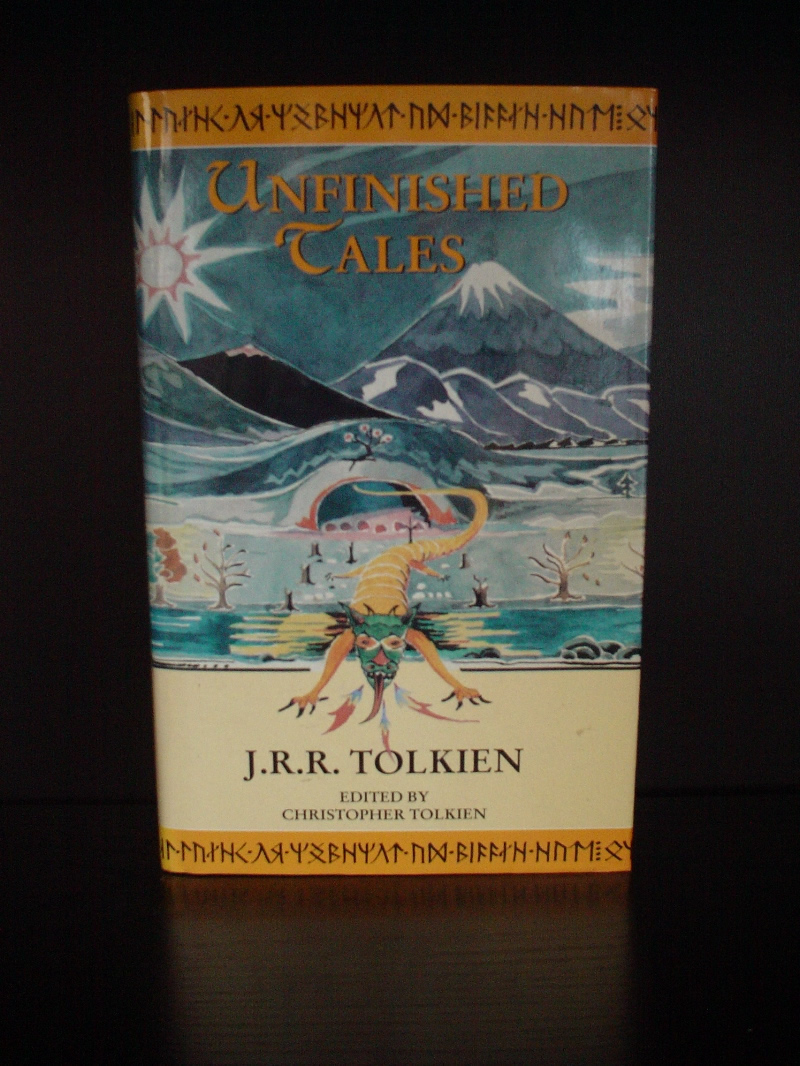
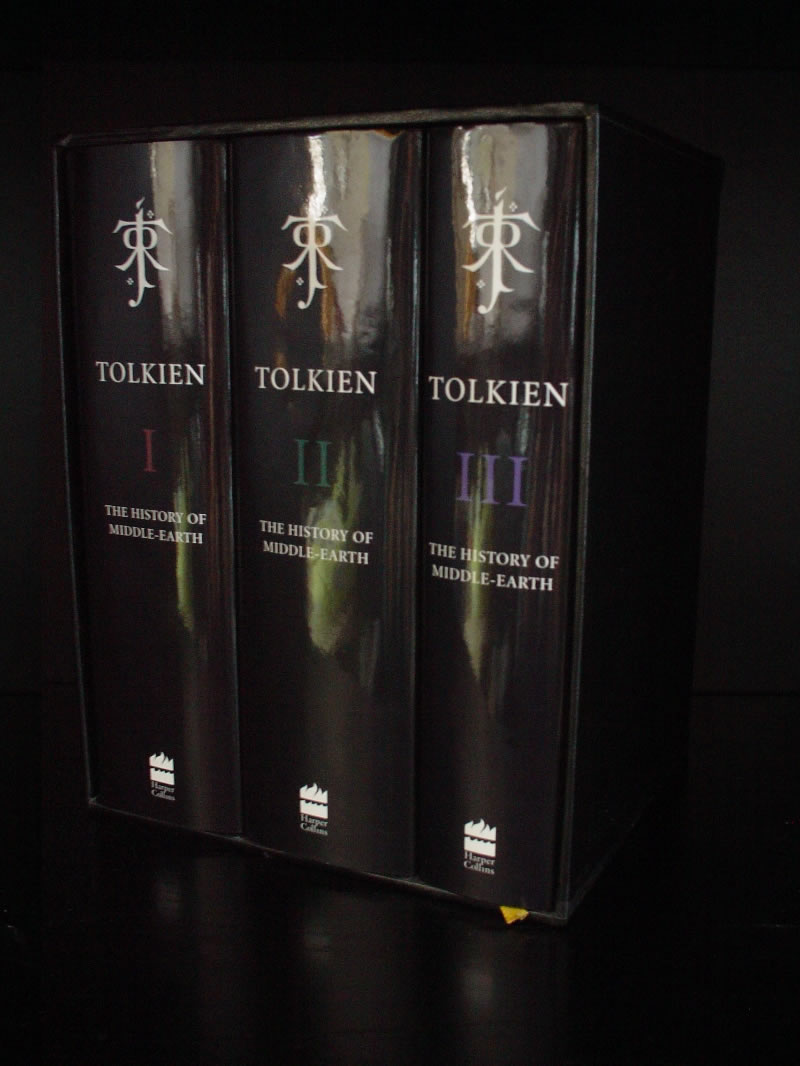
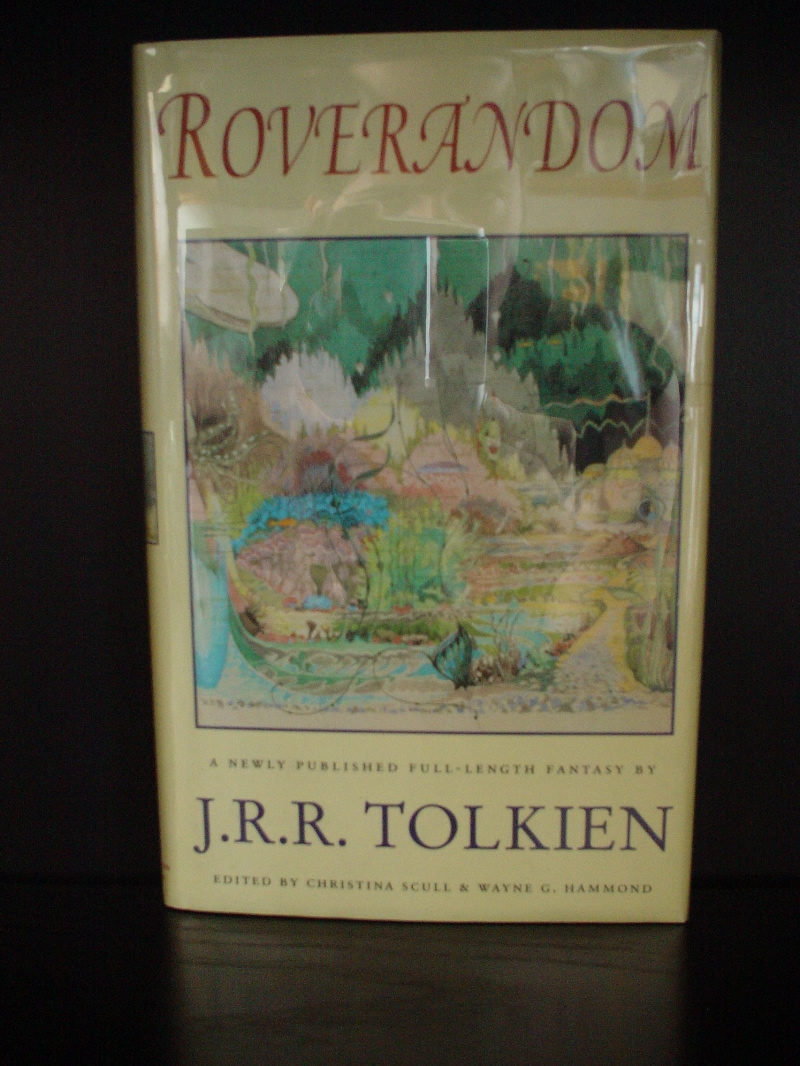
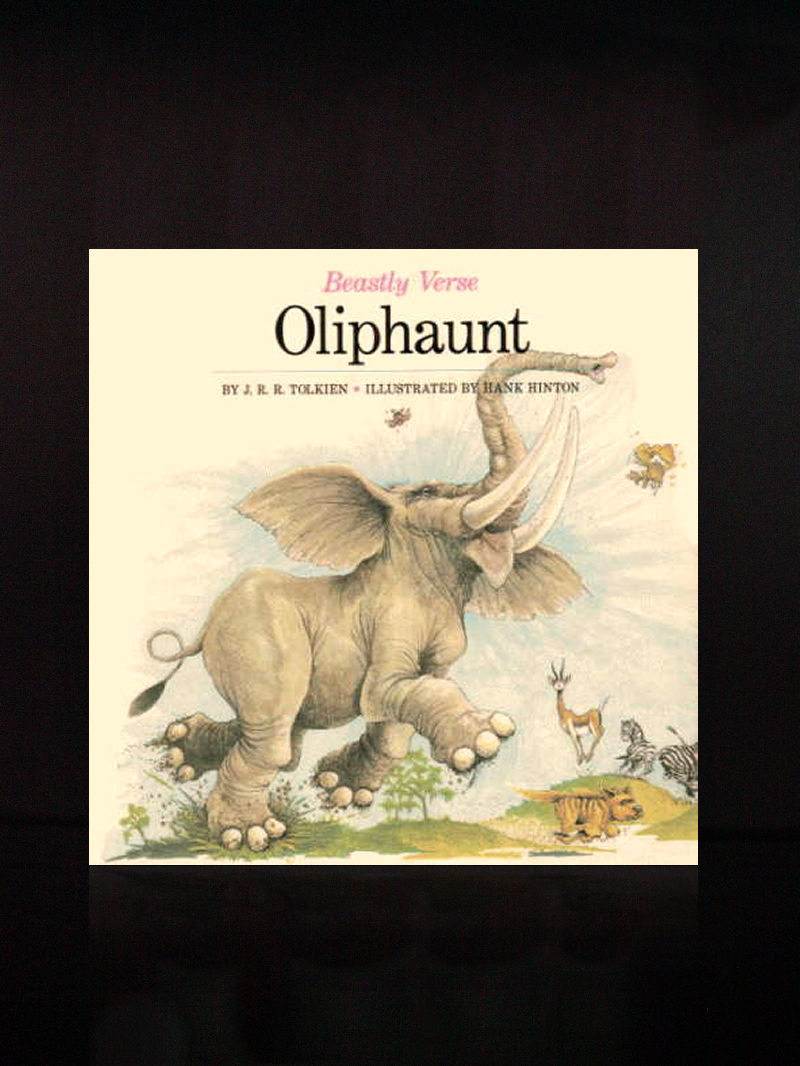
"I am in too great doubt to rule. To prepare or to let be?
To prepare for war, which is yet only guessed: train craftsmen and tillers
in the midst of peace for bloodspilling and battle: put iron in the hands
of greedy captains who will love only conquest, and count the slain as
their glory? Will they say to Eru: [God - MT] At least
your enemies were amongst them? Or to fold hands, while friends die unjustly:
let men live in blind peace, until the ravisher is at the gate? What then
will they do: match naked hands against iron and die in vain, or flee
leaving the cries of women behind them? Will they say to Eru: At least
I spilled no blood? " J.R.R.
Tolkien, Unfinished Tales
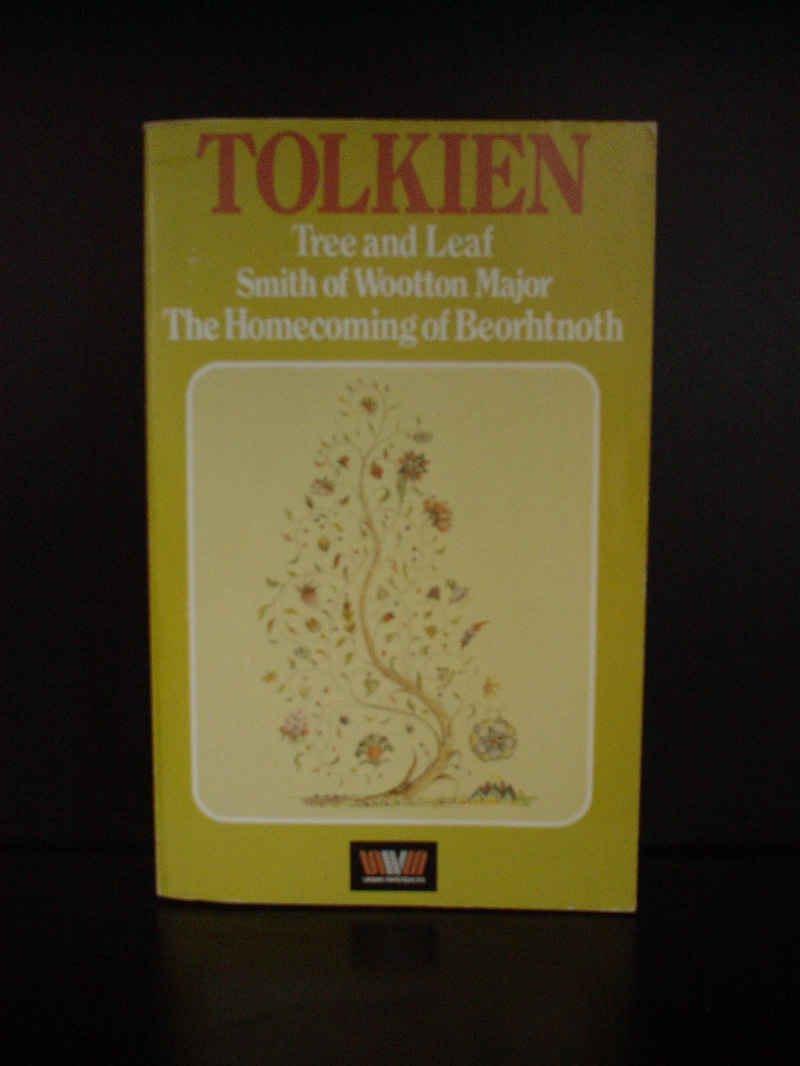
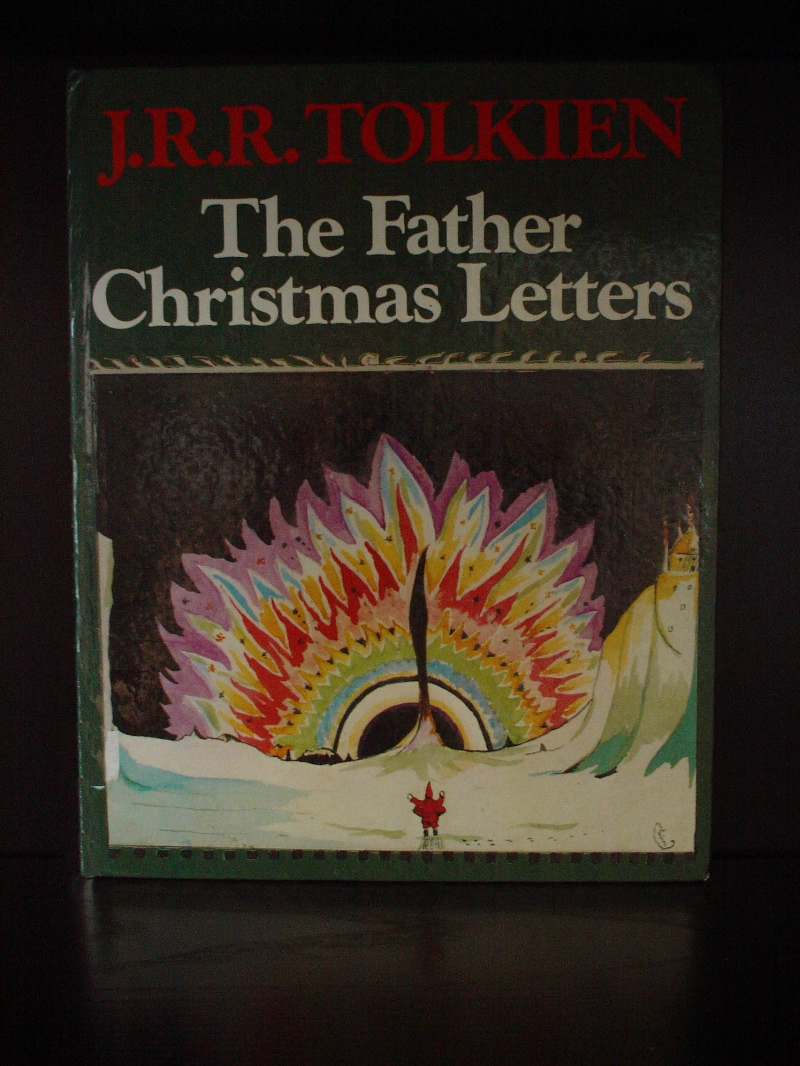
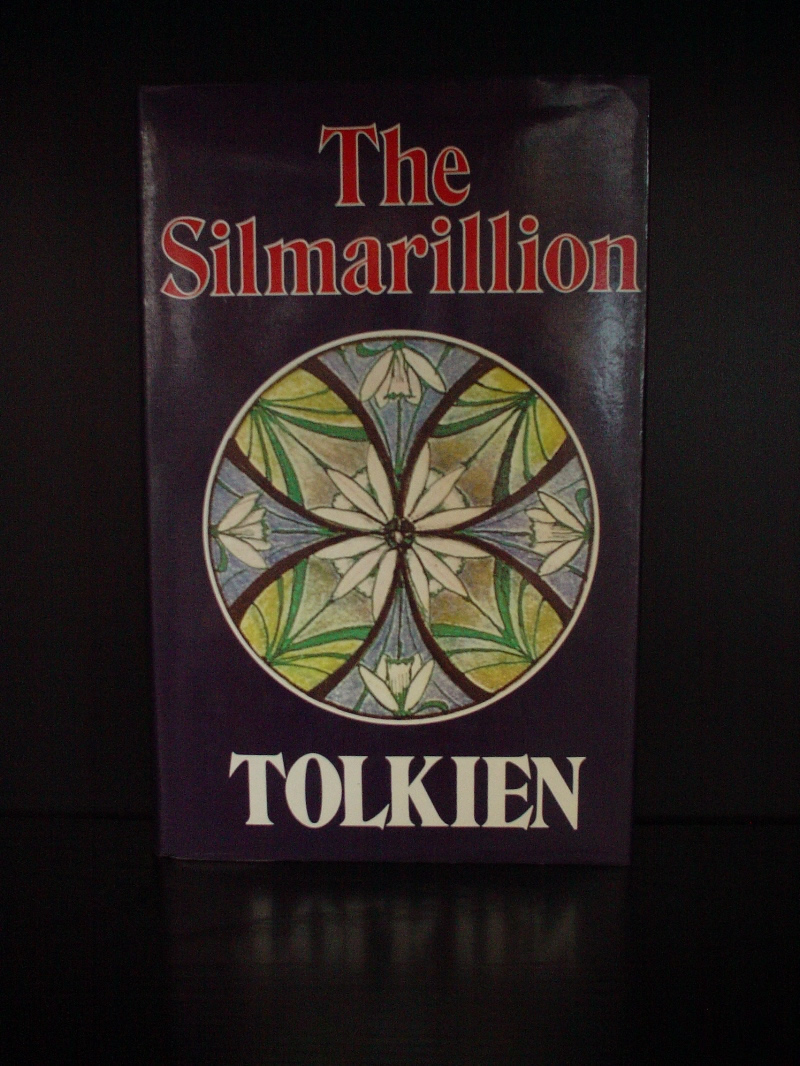
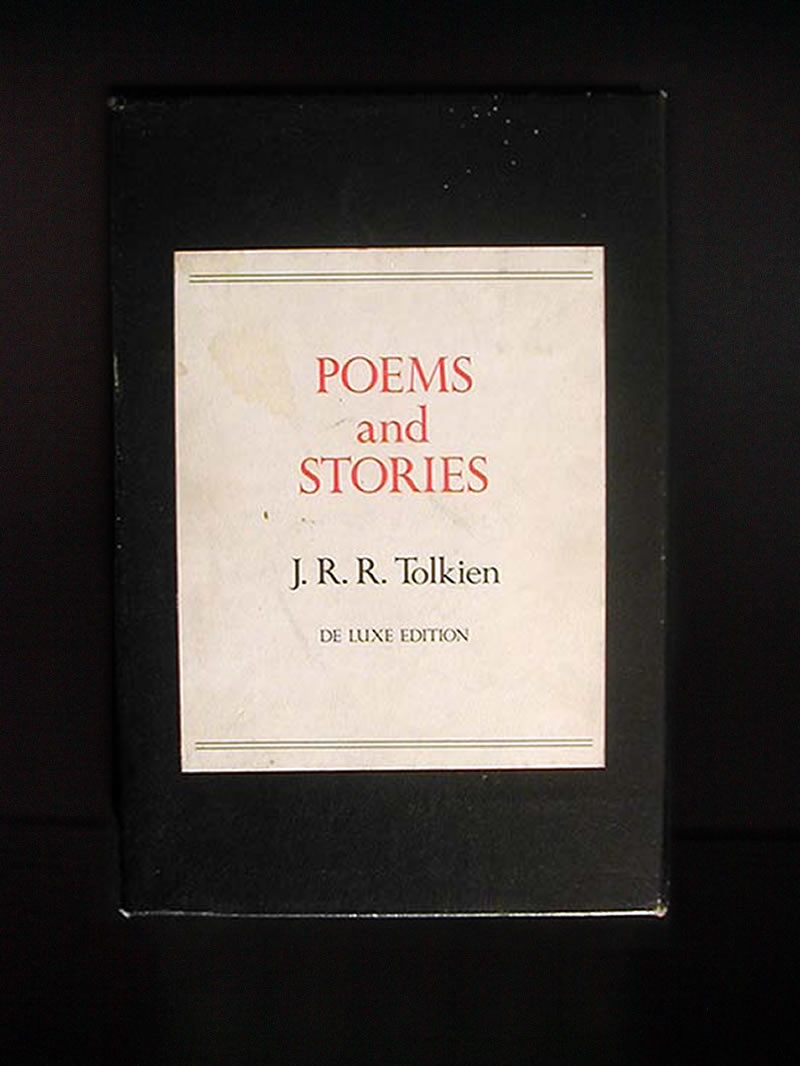
J.R.R. Tolkien is for sure one of the most important writers of the
20th century. He is recognized by most for The
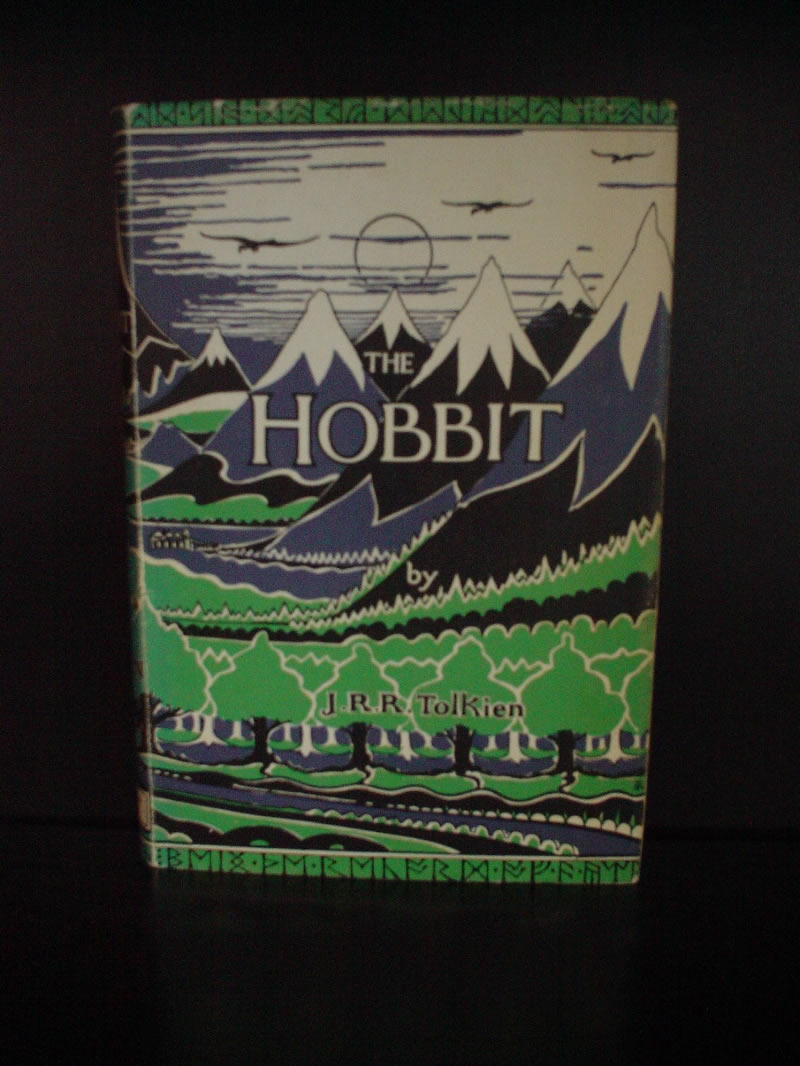
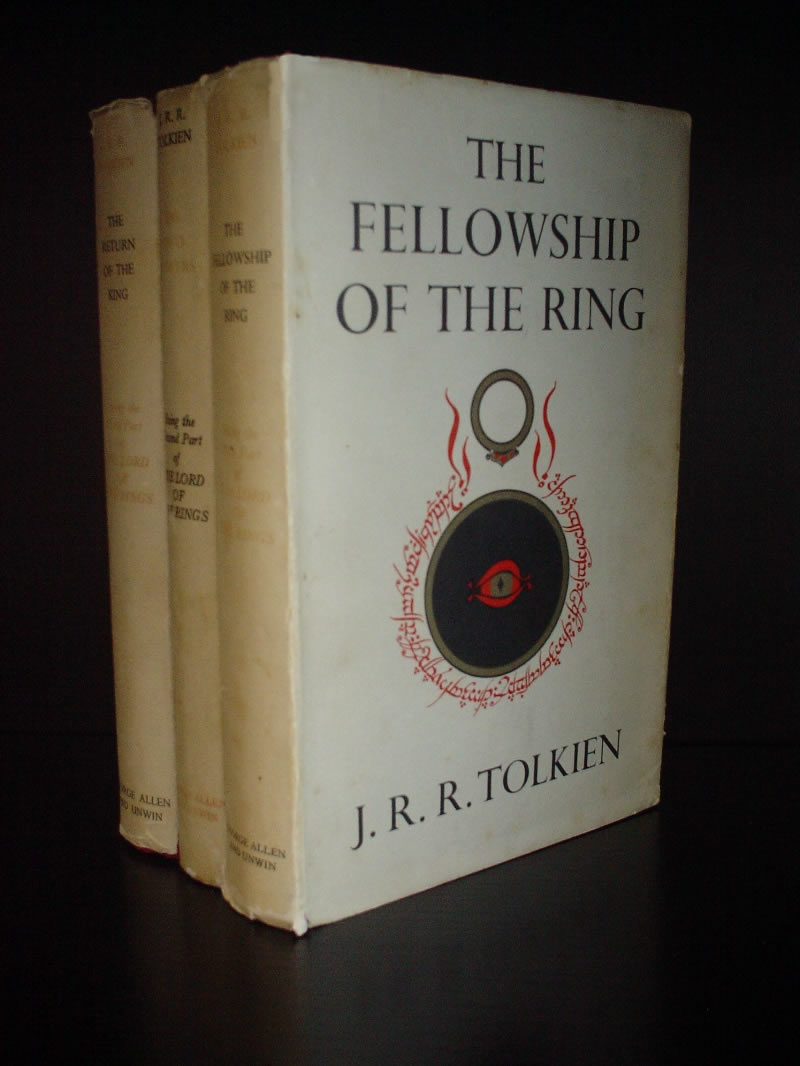
Lord of the Rings, a three-volume novel cycle, and for The
Hobbit, a children's book (in origin) published in 1937. His work was turned into movies, theater plays and even portrait tattoos.
By academics he is recognised for his marvellous essays and contributions
to high quality philological works. Besides the well known Middle-Earth
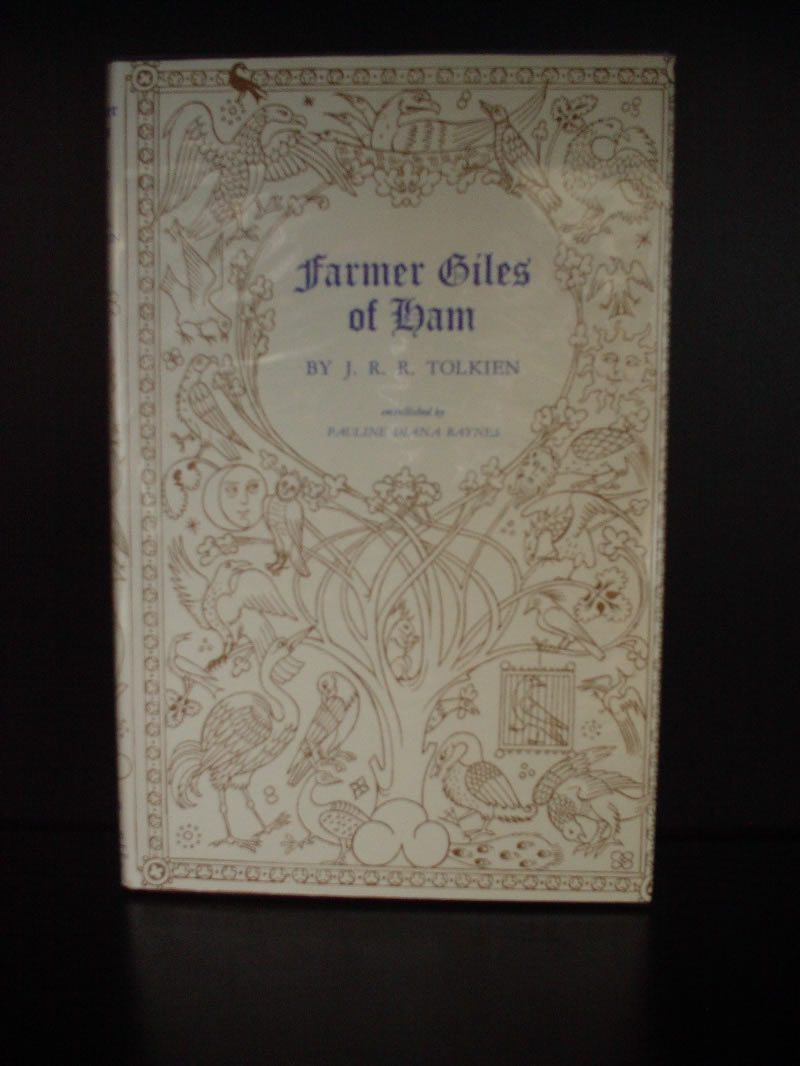
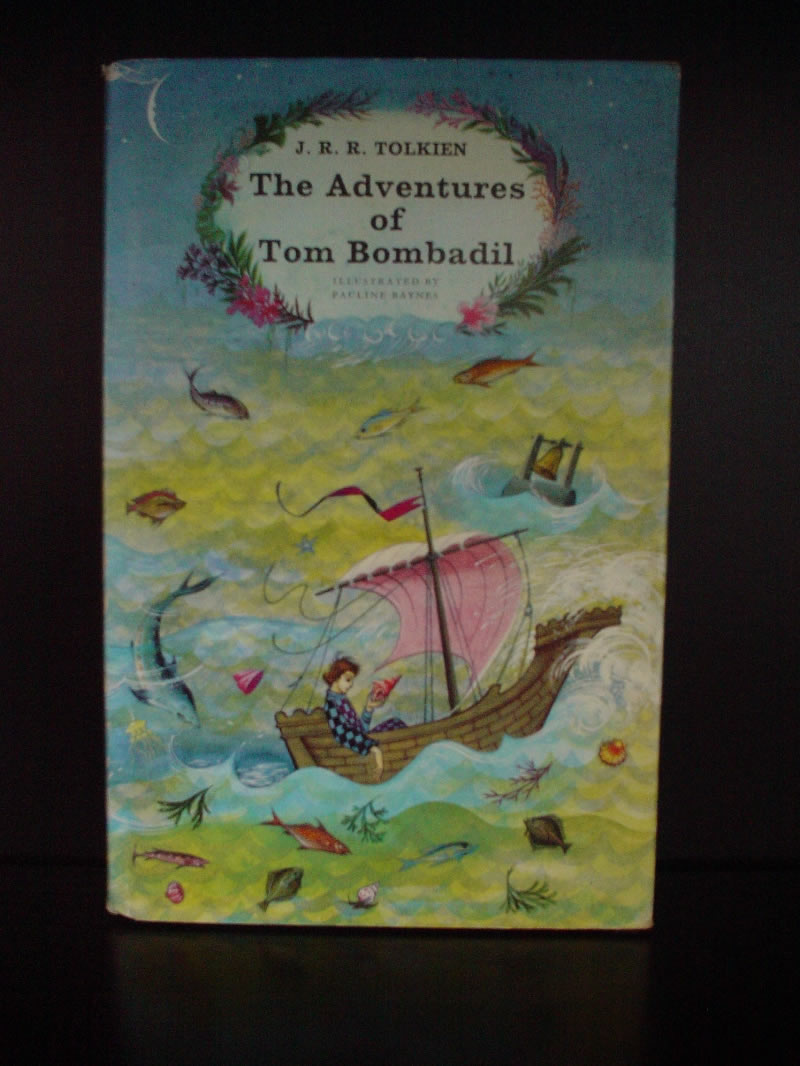
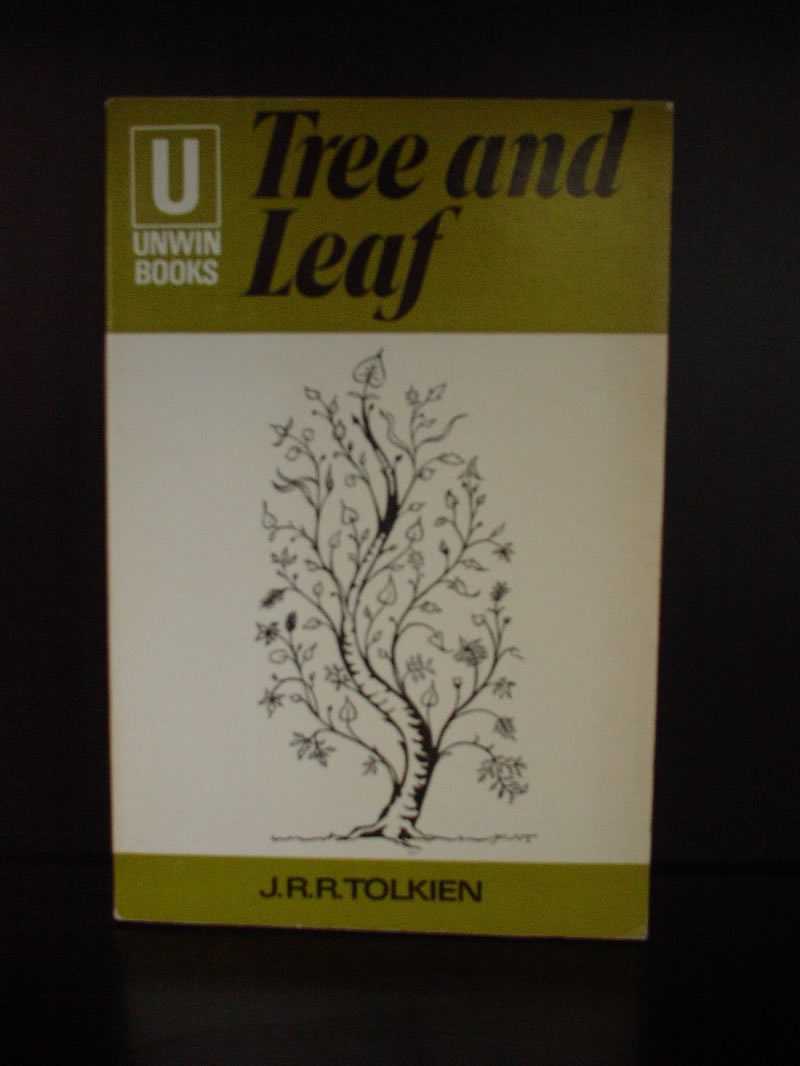
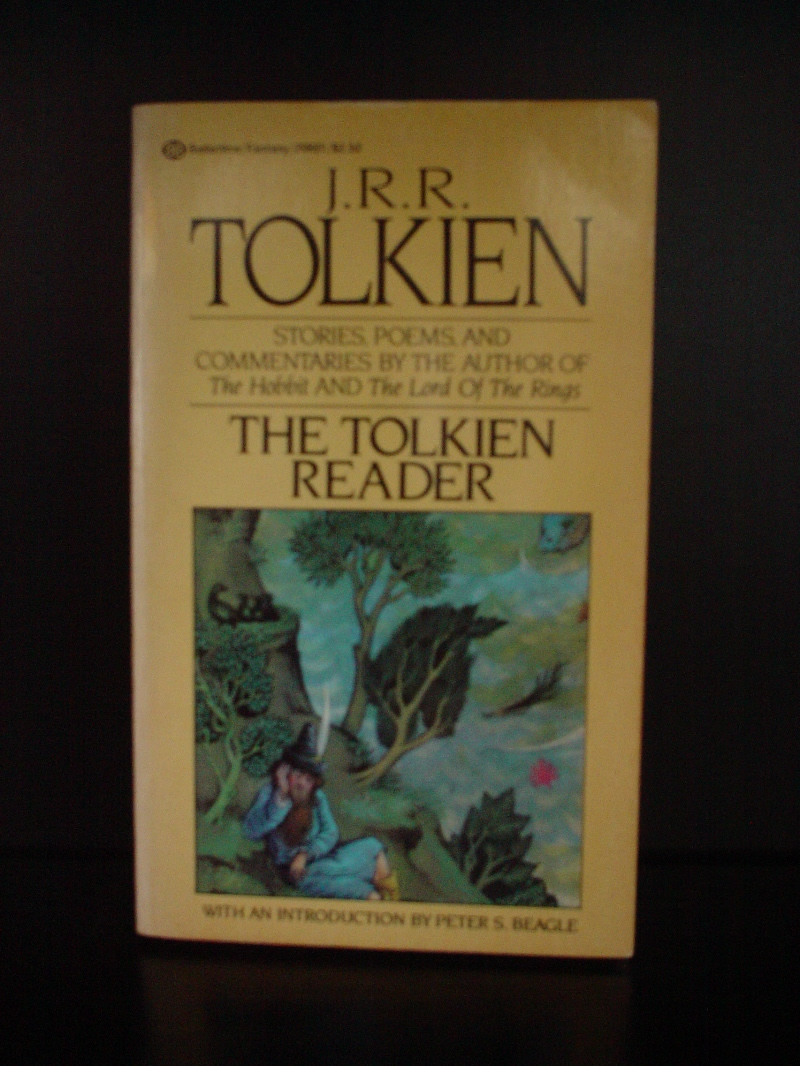
related works, he wrote more than 29 books (most of them can be seen at
the left menu), then translated or contributed to 36 more books, and
made contributions to 39 periodicals (see books
edited, translated, or with contributions by J.R.R.Tolkien). The volume
of his work appears to be rather large, but we must remember that he was
a professor. He was expected to publish a great deal. Examples of his
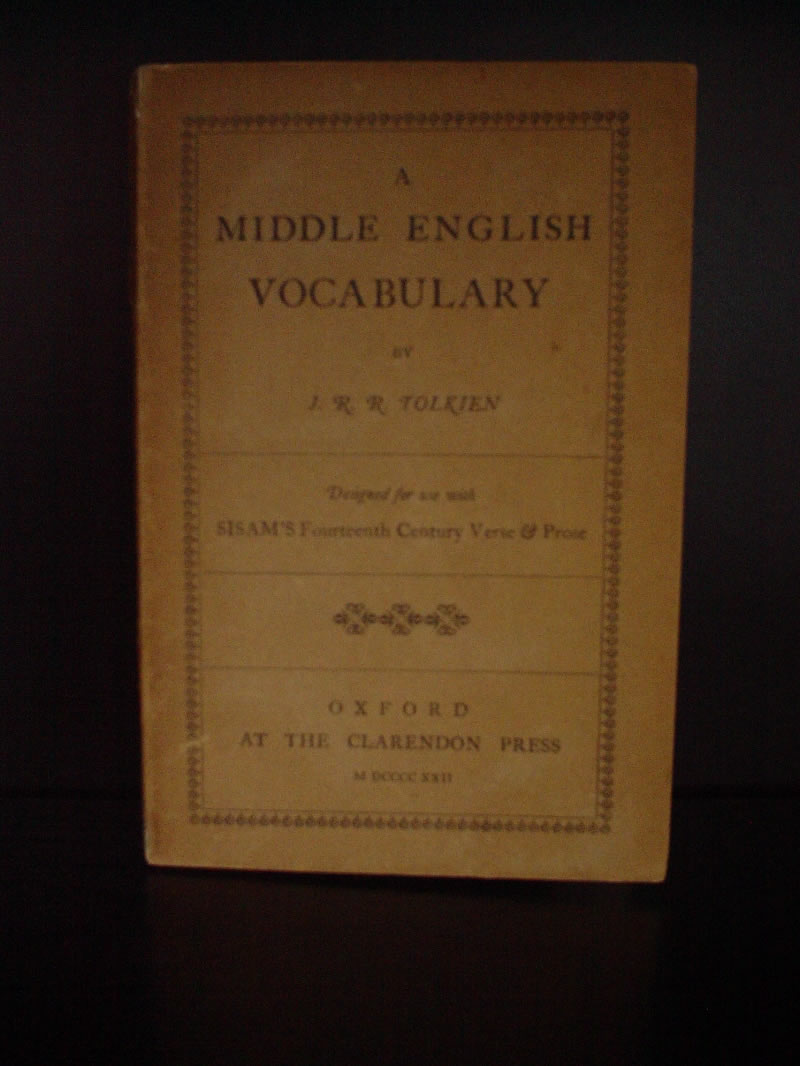
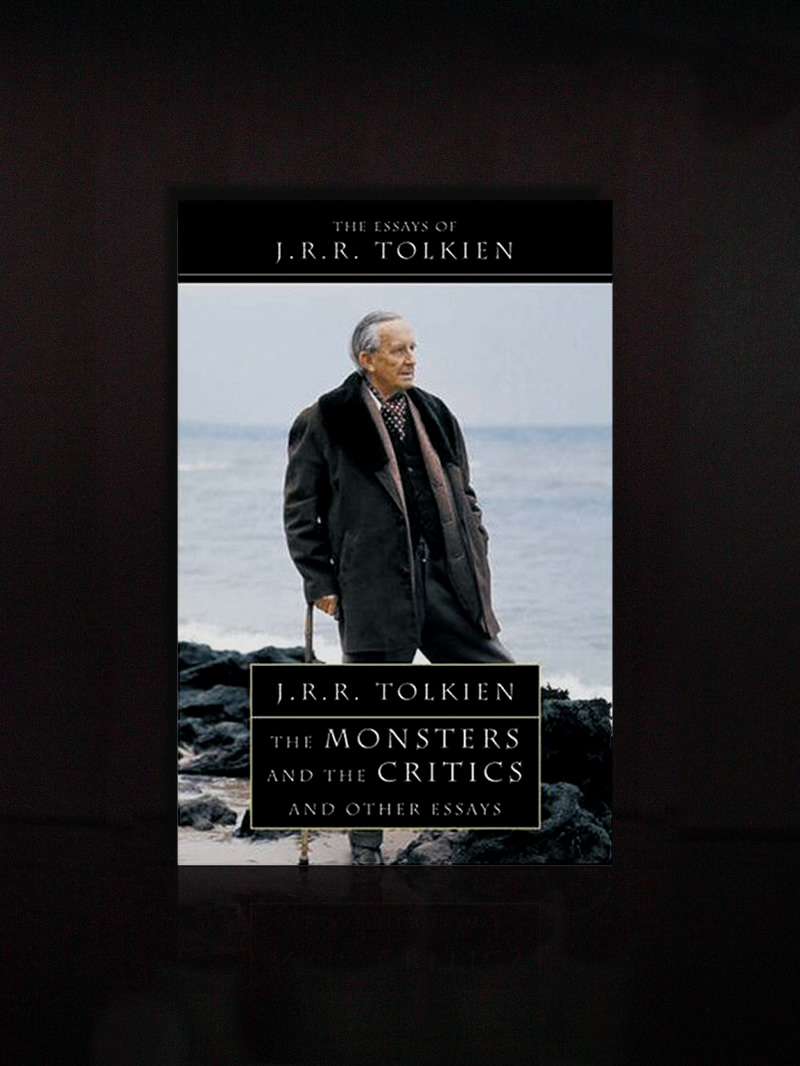
academic works are for example A
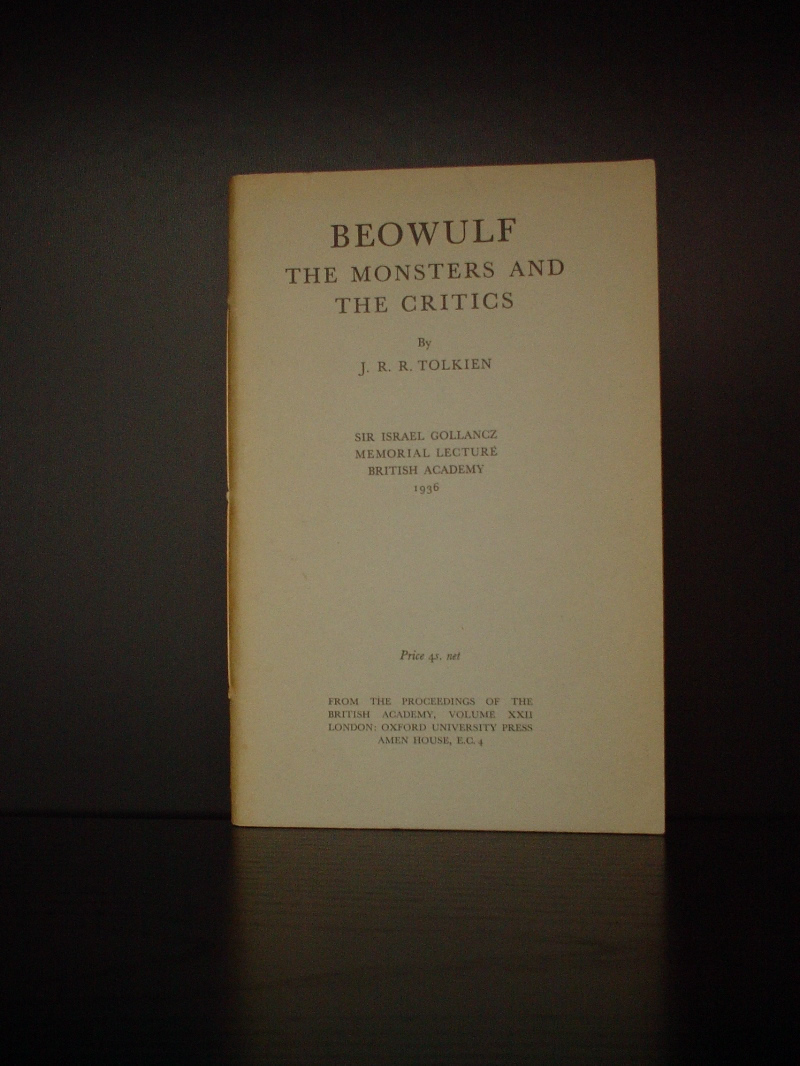
middle English Vocabulary and Beowulf:
The Monsters and The Critics.
His work on Lord of the
Rings and other works of Middle Earth never really took him very far
away from his work on academic projects. His passion was, after all, philology,
which Tom Shippey (Author of J.R.R. Tolkien: Author ot the Century) defines
as "the study of historical forms of a language or languages
... and also of related language."
Tolkien studied Old and Middle English, along with the "ancient languages
of Britain." His extensive study of ancient languages and literature
comes out in his choice of character names, in the riddles and songs that
appear throughout his texts, and also in his choice of settings, as he
was "reconstructing" a world from words.
Spread the news about this J.R.R. Tolkien article: